
From Injury to Performance: How Athletes Recover Smarter
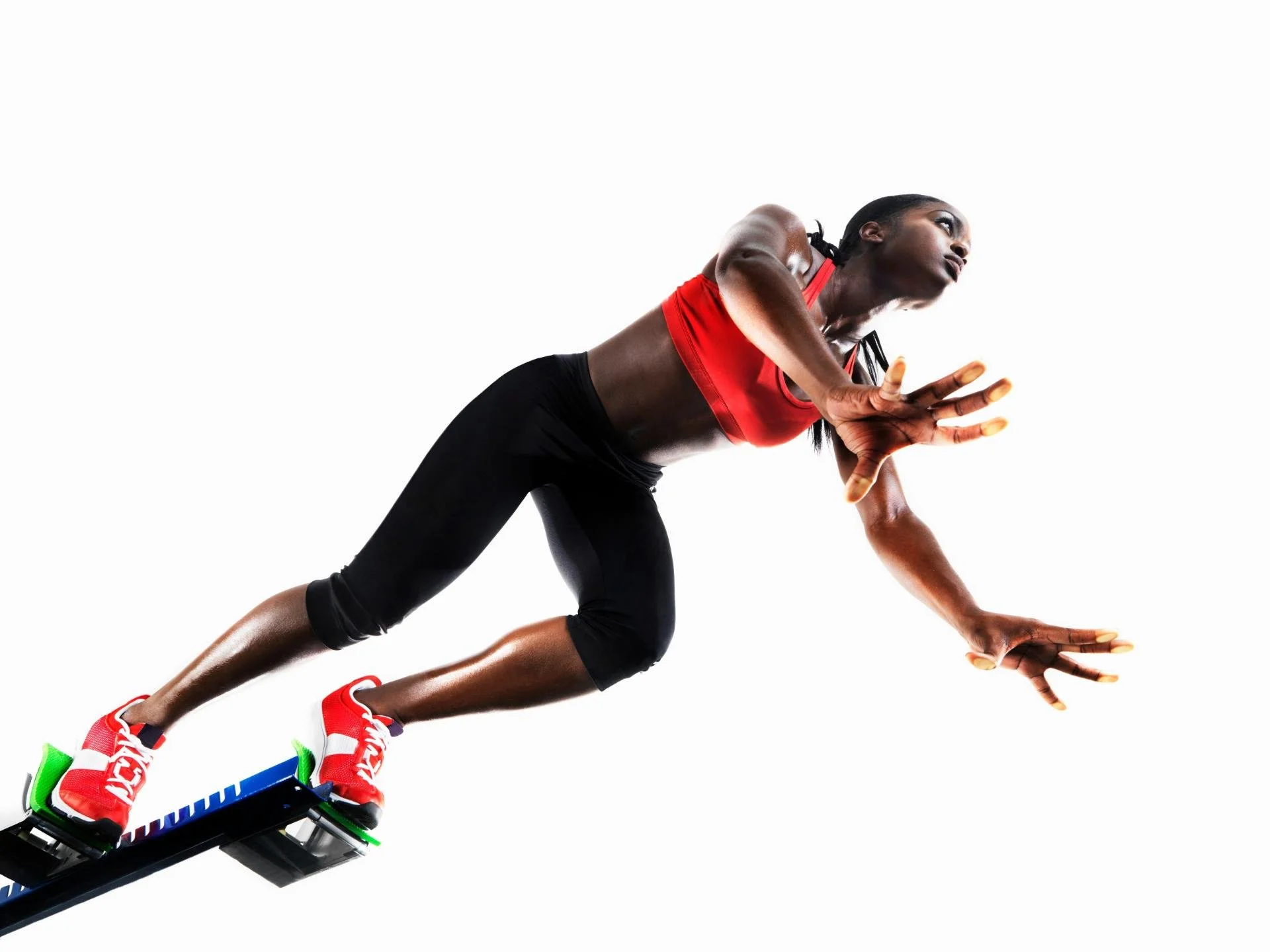
Every athlete knows the moment. The wrong step, the awkward landing, the collision you didn't see coming — and suddenly everything stops. The injury itself is painful, but for most athletes, the harder part is what comes next: the uncertainty about when (and whether) you'll get back to the sport you love, performing the way you know you can.
The old approach to sports injury recovery was simple: rest until the pain is gone, then ease back in. But that model is outdated — and it often leads to longer timelines, re-injury, and performance that never fully returns to pre-injury levels. Today, the athletes we help recover smarter at Peak Valley Active Help in Langley, BC, don't just get back on the field. They come back stronger.
Rest Alone Isn't Recovery
Complete rest has its place, in the acute phase of an injury, when tissues are actively healing and inflammation needs to settle. But prolonged rest leads to muscle atrophy, loss of mobility, and a nervous system that forgets the movement patterns it spent years building. For most sports injuries, the goal is to keep the body as active as safely possible while protecting the injured area.
This is where evidence-based active rehabilitation comes in. Rather than waiting passively for healing to happen, active rehab uses targeted movement, progressive loading, and neuromuscular retraining to guide the body through recovery — and prepare it for the demands of returning to sport.
The Smarter Approach: Multidisciplinary Care
Elite athletes have long had access to teams of specialists working together on their recovery. That same collaborative model is what makes the biggest difference for everyday athletes, weekend warriors, and young competitors alike.
A smart recovery plan typically includes:
Physiotherapy to restore range of motion, strength, and movement quality
Chiropractic care to ensure proper joint mechanics and spinal alignment that support full-body function
Massage therapy to address soft tissue tension, reduce scar tissue formation, and promote circulation
Active rehabilitation to bridge the gap between treatment and return-to-sport with sport-specific conditioning
Acupuncture to support pain management and reduce inflammation during recovery
When these disciplines work in tandem — sharing findings, adjusting plans, and progressing treatment together — athletes recover more completely and return to performance faster than when any one approach is used in isolation.
Performance Isn't Just About Coming Back, It's About Coming Back Better
An injury, as frustrating as it is, can also be an opportunity. Time spent in recovery can reveal movement patterns, muscle imbalances, and biomechanical weaknesses that made you vulnerable to injury in the first place. Address those, really address them, not just manage around them, and you return to sport in better shape than before you were injured.
This is what separates smart recovery from simply waiting it out. It's not just about healing the tissue — it's about building a body that's more resilient, more balanced, and more capable of doing what you're asking of it.
Recover Smarter at Peak Valley Active Health
At Peak Valley Active Health in Langley, we work with athletes at every level — from high school competitors to recreational players to serious adult athletes — to build recovery plans that are as ambitious as the people following them. Our chiropractors, physiotherapists, massage therapists, and acupuncturist work collaboratively to get you back to the sport you love, performing at your best.
Keep Up the Healing Momentum at Peak Valley
Whether you're dealing with a recent injury or a nagging issue that's been holding you back for months, we're here to help. Book your appointment today and let's build your comeback together.