
Concussion Care in Langley Why Vestibular Therapy Supports Recovery
Recovering from a head injury is not always straightforward. While headaches and brain fog may fade within days, dizziness, balance problems, and motion sensitivity can linger for weeks or months. At Peak Valley Active Health, our team supports patients of all ages through concussion recovery, including vestibular therapy to address persistent symptoms. Exploring concussion recovery, why dizziness and balance issues can linger, and how personalized vestibular rehabilitation can help you confidently return to the activities you enjoy.
What Happens During Concussion Recovery
A concussion is a mild traumatic brain injury that temporarily affects how the brain processes information. Most people notice symptoms like headaches, fatigue, difficulty concentrating, or sensitivity to light and noise in the days immediately following the injury. For many, these symptoms gradually improve with rest, hydration, and a gradual return to normal activity.
However, recovery does not always follow a straight line. Some people continue to experience lingering symptoms weeks after the initial injury. This pattern is sometimes referred to as post-concussion syndrome. Dizziness, unsteadiness, and difficulty with quick head movements are some of the most common lingering effects. These symptoms can be some of the most disruptive to daily life, work, and sport. Recognizing these patterns early is an important part of building an effective concussion care plan.
Why Dizziness and Balance Problems Can Follow a Concussion
The inner ear and the brain work together through the vestibular system to help you stay balanced, track moving objects with your eyes, and know where your body is in space. A concussion can disrupt this communication, even when imaging shows no structural damage. That mismatch between what your eyes see and what your inner ear senses is often what causes the dizziness, nausea, or foggy feeling that can follow a head injury.
These symptoms are usually manageable, but they typically will not improve with rest alone. Many patients benefit from targeted, hands-on care to help retrain the vestibular system and support a full return to daily activities. Left unaddressed, ongoing balance problems can also affect confidence, concentration, and willingness to return to sport, work, or regular routines. This is where our vestibular rehabilitation services fit within a broader concussion management plan.
How Vestibular Therapy Supports Concussion Recovery
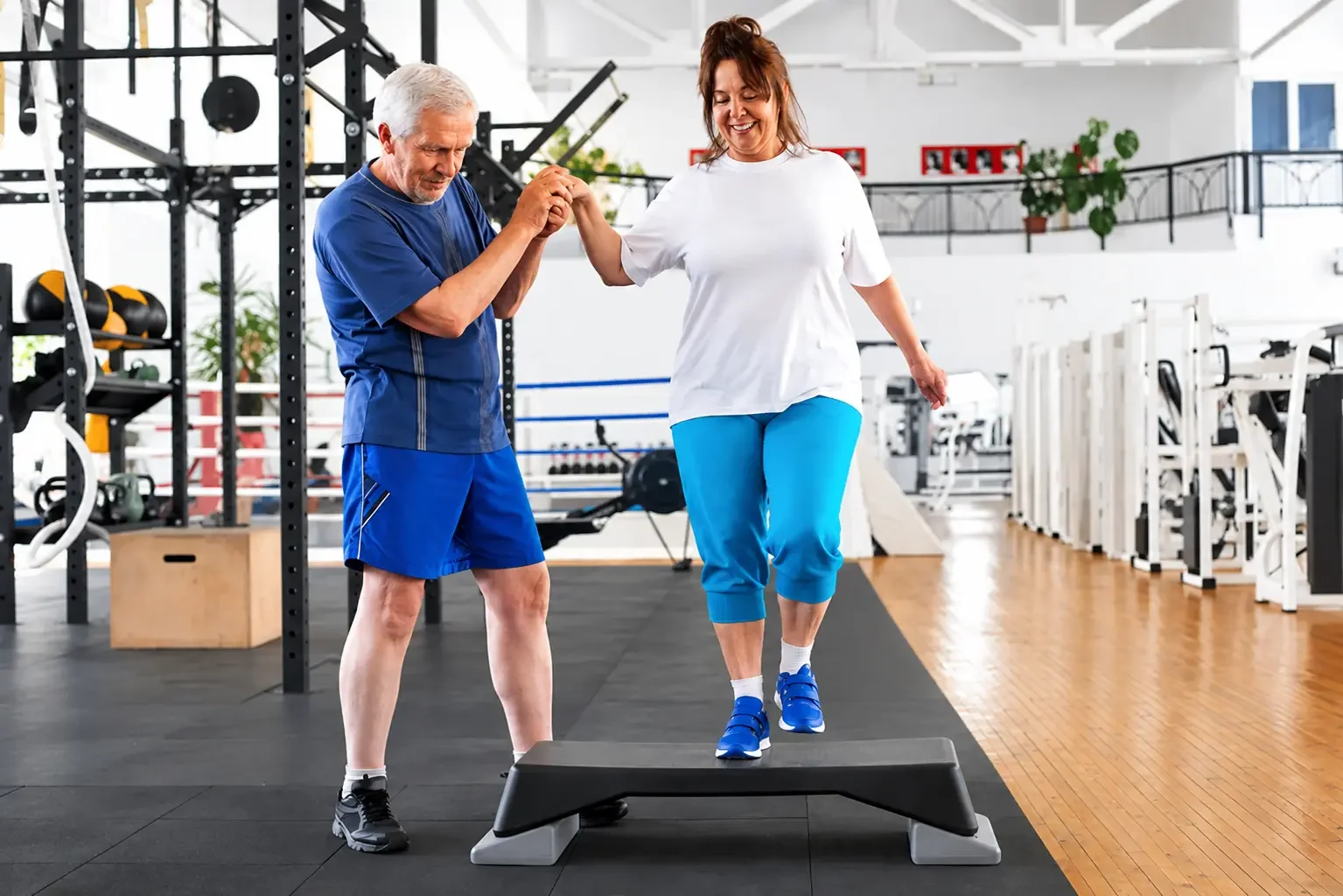
At Peak Valley Active Health, vestibular therapy for concussion recovery typically begins with a thorough assessment of balance, eye movement, and symptom triggers. From there, your practitioner builds a personalized plan that may include:
Gentle balance and gaze stabilization exercises
Techniques to help reduce dizziness and motion sensitivity
Guided movement retraining paced to your comfort level
Education about symptom triggers and self-management strategies
Coordination with your broader concussion management and return-to-sport plan
Every plan is adapted to the individual, since concussion symptoms and vestibular concerns can look different from one patient to the next. Some people also benefit from a combination of physiotherapy, chiropractic care, or massage therapy to help address related neck tension or headaches. These services are typically used to accompany the head and neck-related conditions we support and treat.
Frequently Asked Questions
How long does concussion recovery take?
Recovery timelines vary widely from person to person and depend on factors like age, symptom severity, and how quickly care begins. Many people feel better within one to two weeks, while others experience lingering symptoms for a month or longer. A personalized concussion care plan can help track your progress and adjust support along the way.
What helps with dizziness after a concussion?
Dizziness after a concussion is often linked to the vestibular system. Vestibular therapy can help retrain balance and reduce motion sensitivity through targeted exercises and gradual movement retraining, guided by a practitioner who understands how concussions affect the body.
Is vestibular therapy different from physiotherapy?
Vestibular therapy is a specialized branch of physiotherapy that focuses specifically on the inner ear and balance system, rather than general strength or mobility concerns.
Can vestibular rehab help with post-concussion symptoms?
Yes. Vestibular rehabilitation is commonly recommended to help address dizziness, imbalance, and motion sensitivity that can persist after a concussion, and it is often paired with other concussion management strategies for the best results.
When should I see a specialist after a head injury?
If dizziness, balance problems, headaches, or brain fog last more than a few days, or if you are hoping to return to sport or work, it is a good idea to have your symptoms assessed by a concussion care team who can guide your next steps.
Get Real Relief at Peak Valley Active Health
At Peak Valley Active Health in Langley, our chiropractors, physiotherapists, and massage therapists work together to identify what's driving your pain and create a plan to support it, not just manage it. Whether you're dealing with a stiff neck, chronic lower back pain, or tension headaches from long hours at a desk, we can help you feel better and move better.
Our Multidisciplinary Team is Here to Support Your Recovery
If you or a family member is managing concussion symptoms or ongoing dizziness in Langley, contact us and we can help.