
Registered Massage Therapy in Langley: What to Expect and How It Helps
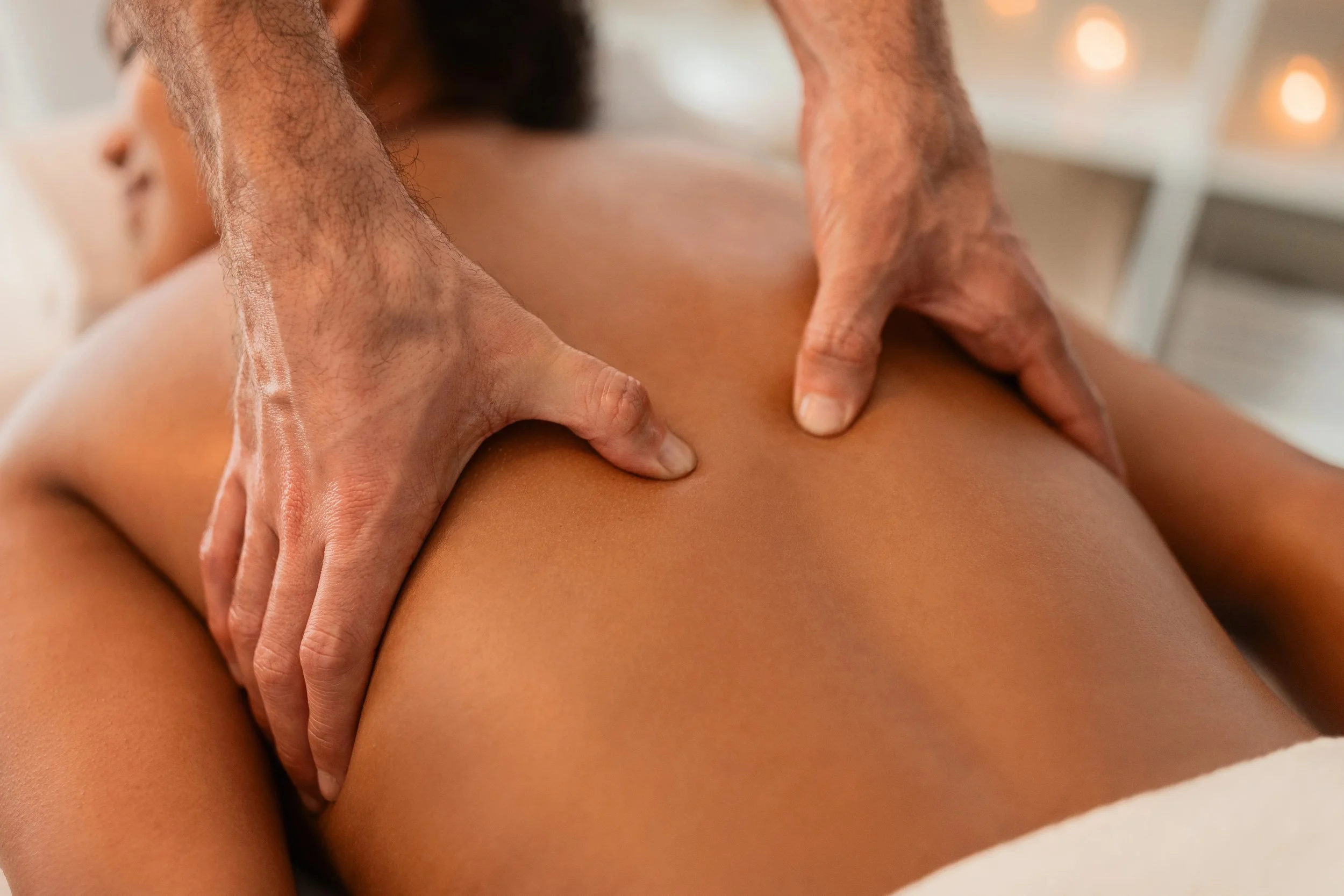
If your shoulders feel stiff, tight and impossible to relax by Friday afternoon, or a tension headache shows up before your workday even ends, you are not alone. Between long hours at a desk, driving kids between activities, and squeezing in workouts where you can, life in Langley does not leave much room for your body to reset. Registered massage therapy in Langley offers a hands-on way to release that built-up tension and help you move through your day with less discomfort. At Peak Valley Active Health, our registered massage therapists work with the soft tissues, muscles, tendons, and fascia, to support recovery, ease tension, and help you feel more like yourself again.
What Is a Registered Massage Therapy?
Registered massage therapy is a hands-on treatment provided by a trained and regulated professional. Rather than a generic rubdown, an RMT assesses your muscles, tendons, and fascia to identify areas of tightness, restricted movement, or strain, then applies techniques suited to your goals. This can include deep tissue work to help release tension held deep in the muscle, Swedish massage to support relaxation and circulation, myofascial release to ease tightness in the connective tissue, and trigger point therapy to target specific areas of discomfort. Every technique is chosen based on your comfort level, health history, and what you are hoping to achieve, whether that is easing a nagging ache or supporting your training schedule.
Who Can Benefit from Massage Therapy in Langley
Massage therapy is not just for athletes or people recovering from injury, though it can certainly support both. Desk-based professionals often carry tension in the neck, shoulders, and upper back. If you spend hours hunched over a keyboard, regular massage therapy can help relieve postural strain before it turns into something more chronic. Busy parents managing packed schedules often turn to massage for stress relief and a chance to reset. Active adults and youth in sport use massage to support recovery after training, manage muscle soreness, and stay ready for their next practice or game. If you are dealing with chronic pain, limited mobility, or ongoing muscle tension, our team can work alongside your chiropractic care to create a more complete plan that supports how you move and feel.
What to Expect During Your Appointment
Your first visit with one of our registered massage therapists in Langley starts with a conversation, not straight to the table. Your therapist will ask about your symptoms, health history, and what you are hoping to get out of treatment, then assess areas of tension before recommending an approach. Throughout your session, your therapist checks in on pressure and comfort, so treatment always feels right for you. Depending on your needs, this might include deep tissue techniques, gentle stretching, or posture-focused guidance you can use between visits. Every plan is built around you, not a one-size-fits-all routine.
Frequently Asked Questions
How often should you get a massage?
This depends on your goals, your activity level, and how your body responds to treatment. Some people benefit from weekly sessions during a period of high stress or training, while others find that a monthly visit is enough to manage ongoing tension. Your therapist can recommend a schedule after your first visit based on what they observe.
Do I need a referral for registered massage therapy in Langley?
No referral is required to book an appointment with our registered massage therapists. You can book directly online, though if you plan to submit for extended health coverage, it is worth checking your provider's specific requirements.
Is registered massage therapy covered by extended health benefits?
Most extended health plans include coverage for registered massage therapy, though the details vary by provider. We offer direct billing for many major insurers, and our team can help you understand what your plan covers.
Can massage therapy help with chronic pain?
Massage therapy can help manage muscle tension and support mobility for people living with ongoing discomfort. Your therapist will assess your specific situation and build a plan aimed at supporting your day-to-day comfort.
What is the difference between deep tissue and Swedish massage?
Deep tissue massage uses firmer pressure to target tension held deep within the muscle, often used for chronic tightness or areas affected by repetitive strain. Swedish massage uses lighter, flowing strokes designed to support relaxation and circulation. Your therapist can combine or adjust techniques based on what feels right for you.
Final Thoughts
Whether you are managing the strain of a desk job, recovering from activity, or simply looking for a way to unwind, registered massage therapy can be a valuable part of how you take care of your body. With a
A Team Approach Tailored to You and Your Goals
Peak Valley Active Health is here to support you every step of the way. Book an appointment today to get started.